
A Little Nostalgia. A Lot of Innovation.
For 100 years, the RCA brand has been there for countless moments in family rooms across America. Through it all, families have come to expect exceptional performance, quality, innovation and value from RCA.
RCA believes in the power of technology to bring people together. That’s why every RCA product is designed to be innovative, stylish, intuitive, and approachable.
100 Years of RCA: A Visual History
A Visual Memoir of RCA Radio Corporation of America
100 Years
RCA (Radio Corporation of America) is an iconic brand that has endured from generation-to-generation. Its timeless logo and technological advances have permeated worldwide culture as a symbol of quality and reliability.
Let us take you on the journey from RCA's beginning through its technological advancements over the past 100 years.
1919
Radio Corporation of America
RCA originated from a reorganization of the Marconi Wireless Telegraph Company of America, commonly known as American Marconi. American Marconi was involved in high-powered alternators used for transatlantic transmissions and by the U.S. Navy. In the interest of national security, the Navy wanted an all-American company to own the assets. In 1919, two naval officers, Admiral H. G. Bullard and Commander S. C. Hooper, met with General Electric president Owen D. Young and proposed that GE purchase American Marconi and use its assets to form its own radio communications subsidiary. Young agreed to the proposal, which, effective November 20, 1919, transformed American Marconi into the Radio Corporation of America.
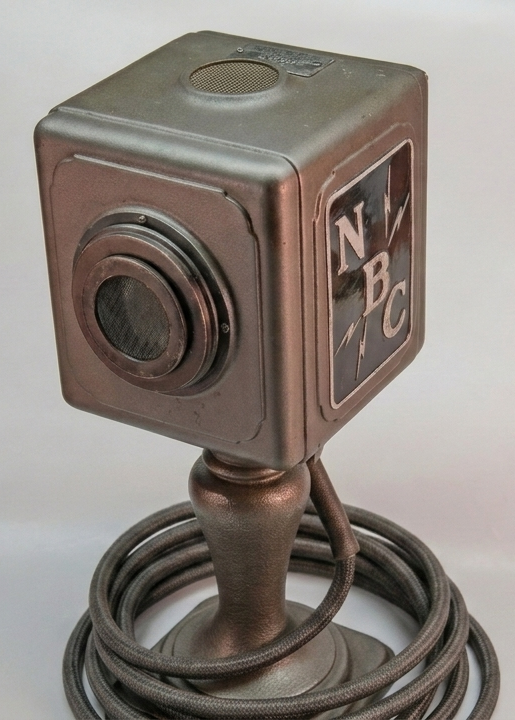
1926
RCA and NBC
In 1926, AT&T decided to exit radio broadcasting and sold its two radio stations and network operations to RCA for $1 million (approximately $18.9 million in 2026 dollars when adjusted for inflation). These assets formed the business foundation of the National Broadcasting Company (NBC), with ownership split evenly between RCA and General Electric.
1929
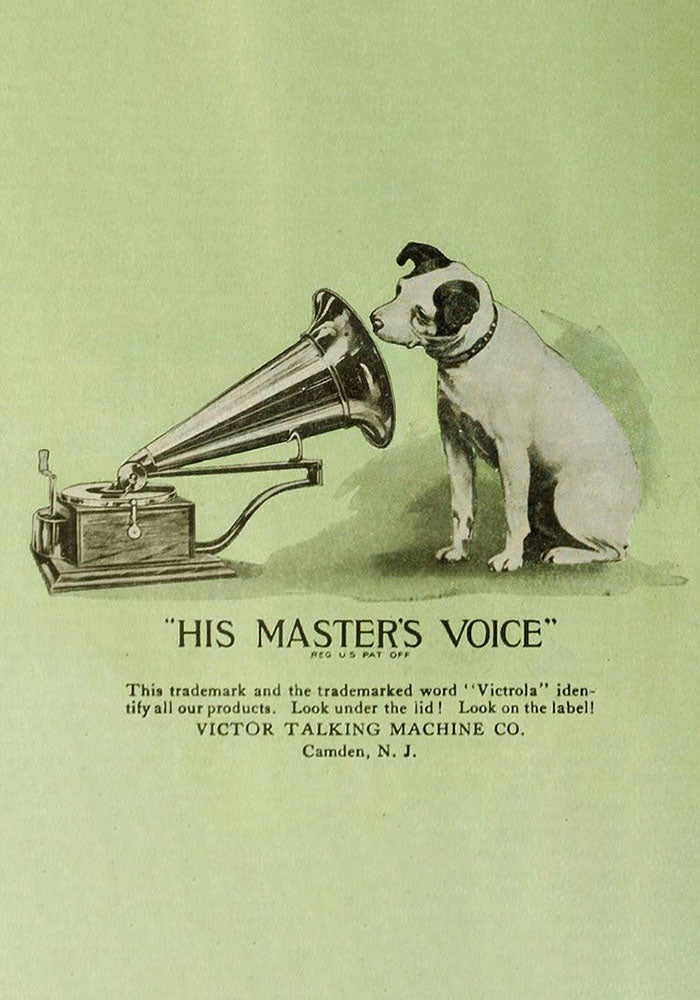
Nipper: His Master’s Voice
RCA purchased the Victor Talking Machine Company, then the world’s largest manufacturer of records and phonographs, including its popular showcase “Victrola” line. RCA organized the acquisition as a new subsidiary called RCA Victor.
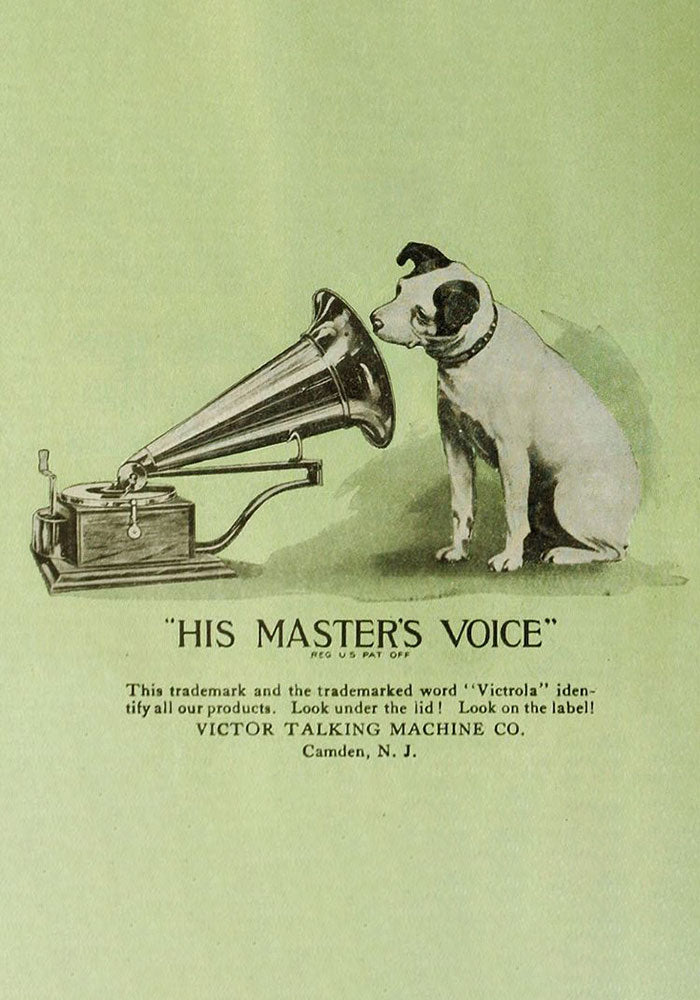
With this purchase, RCA acquired the Western Hemisphere rights to the famous Nipper “His Master’s Voice” trademark. Nipper, depicted listening to a phonograph in the “His Master’s Voice” trademark, became RCA’s iconic and beloved mascot.

1933
The RCA Building: Rockefeller Center
At the time of its founding, RCA was the largest radio communications firm in the United States. In 1930, RCA agreed to occupy the yet-to-be-built landmark building at 30 Rockefeller Plaza, which became known as the RCA Building at Rockefeller Center. The decision tied RCA to one of the most ambitious architectural projects of the Great Depression. The RCA Building would remain closely associated with the company for decades and became one of the most recognizable symbols of RCA’s influence on American communications, broadcasting, and entertainment.
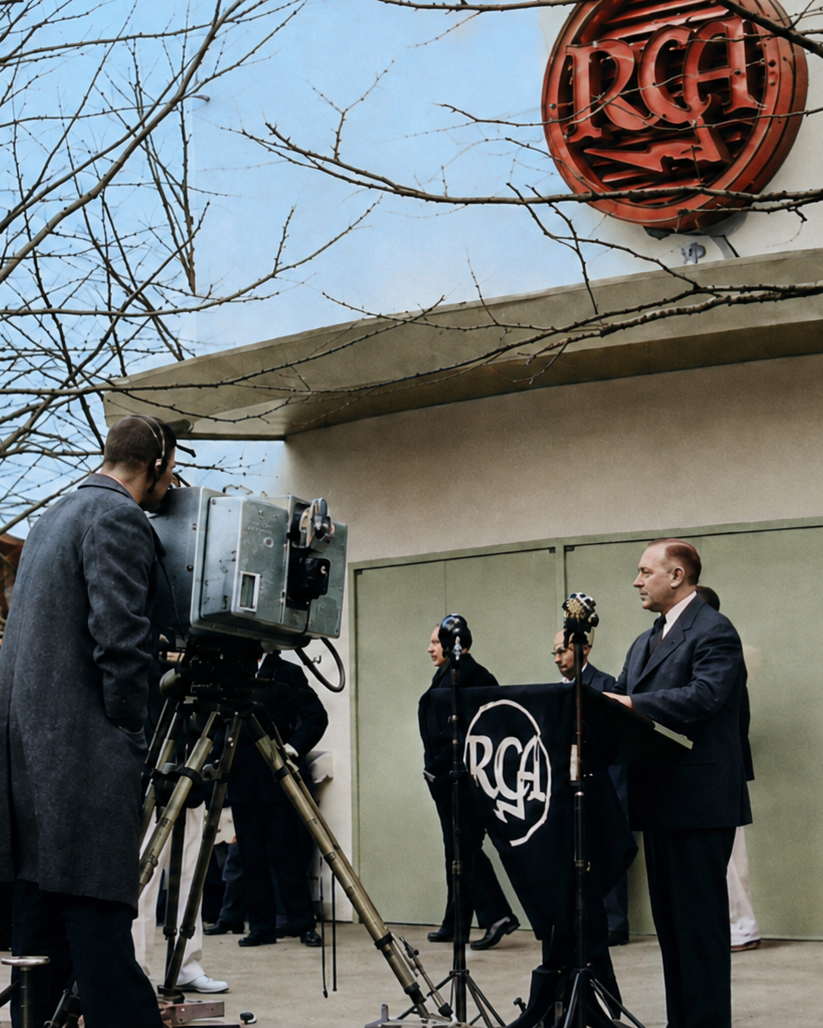
1939
RCA TV: New York World's Fair
RCA began investing in television development in early 1929 after an overly optimistic Vladimir K. Zworykin convinced David Sarnoff that a commercial version of his prototype system could be produced in a relatively short time for $100,000. The effort ultimately required years of additional research and millions of dollars. In 1939, RCA demonstrated its all-electronic black-and-white television system at the New York World’s Fair.
1954
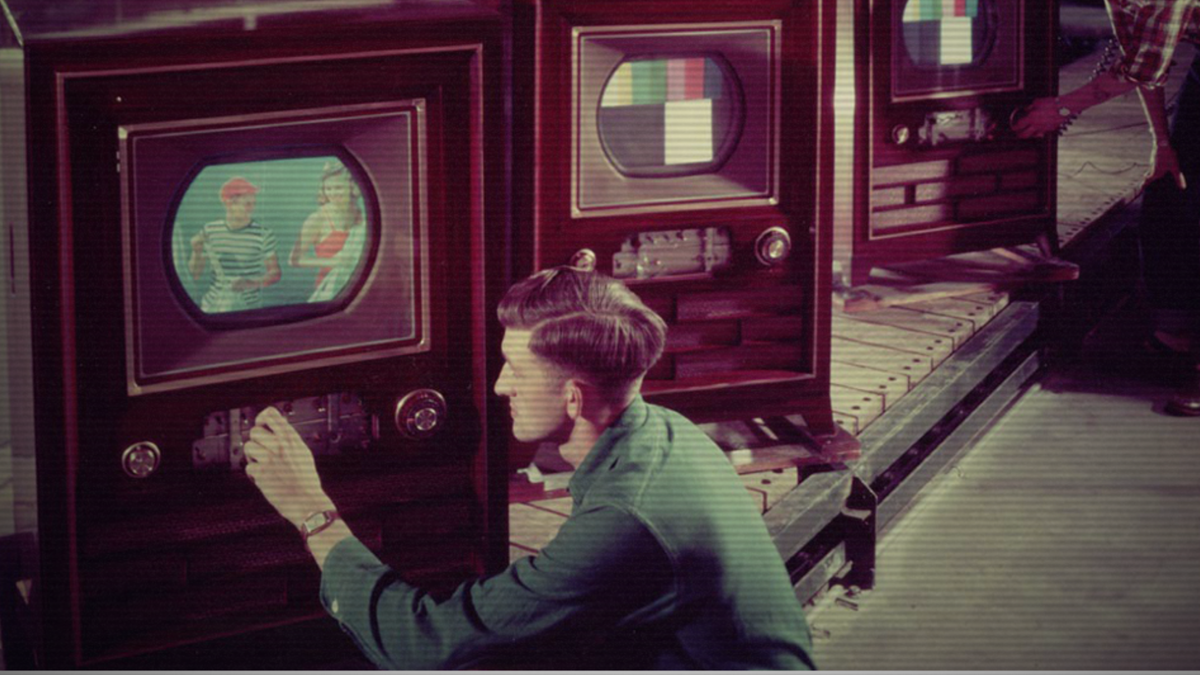
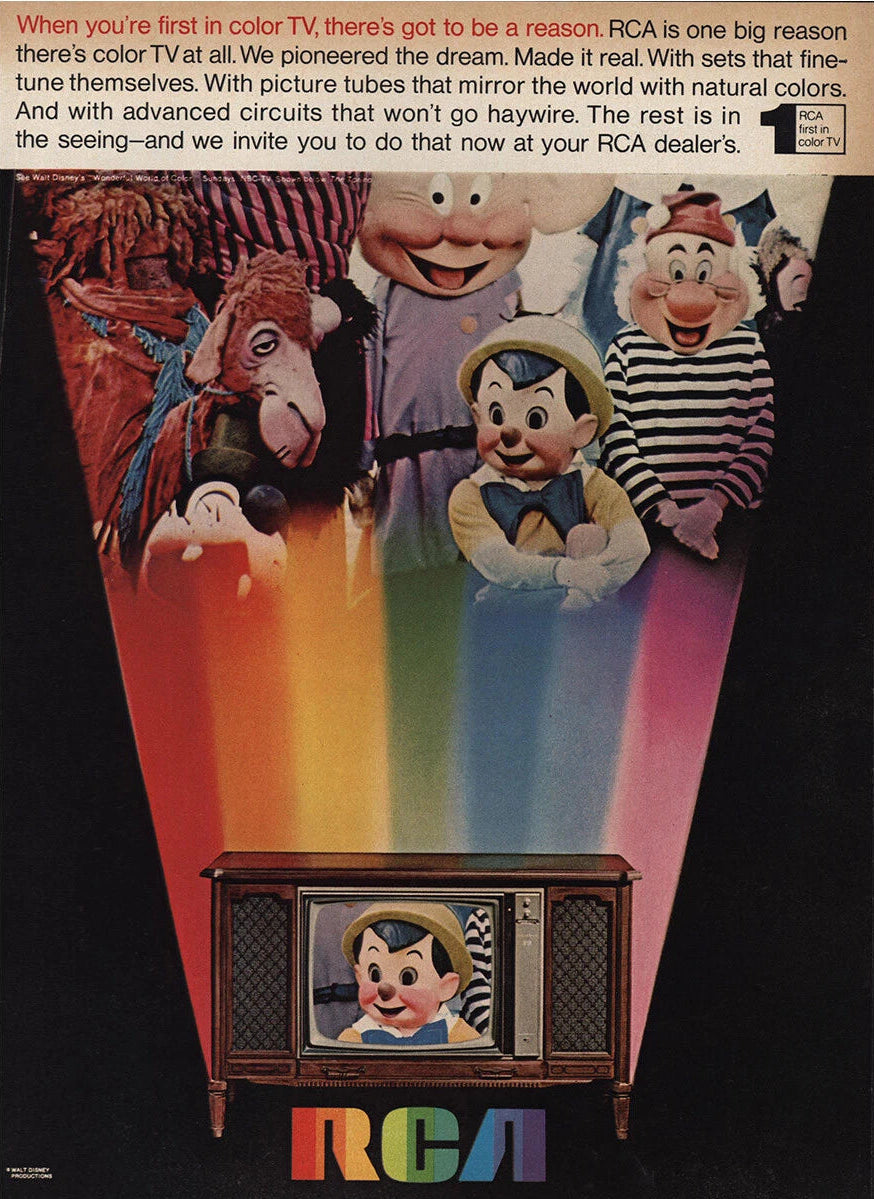
World’s First Consumer Color Television
In 1953, RCA’s all-electronic color television technology was adopted as the standard for American television.
The standard became known as NTSC, after the National Television System Committee that approved it. RCA produced its first consumer color televisions in 1954.
1957
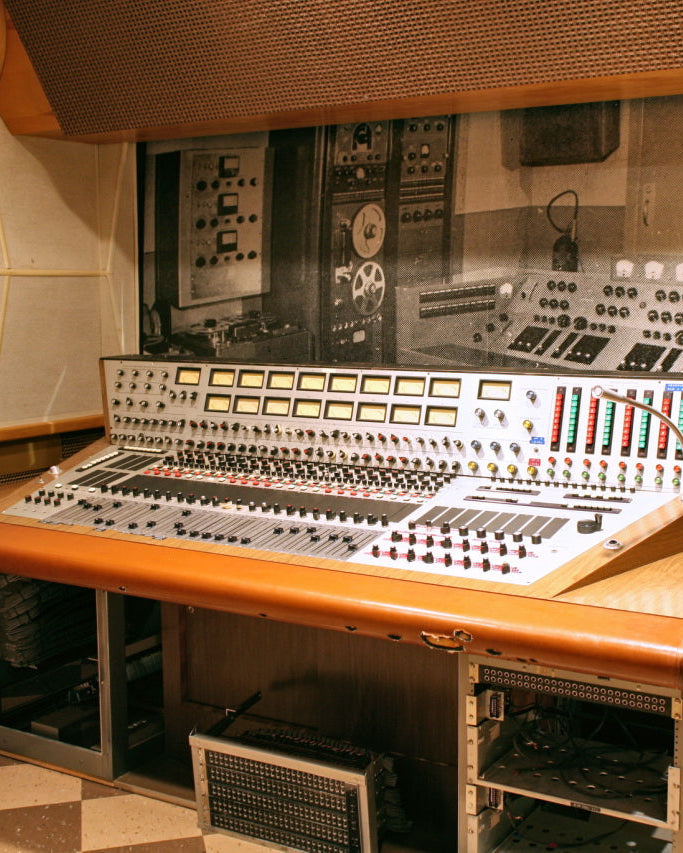
RCA Studios Open
In 1957, RCA opened RCA Studios, later known as Studio B, a state-of-the-art recording studio in Nashville, Tennessee. In 1964, Studio A opened. For more than 20 years, top artists including Elvis Presley, the Everly Brothers, Roy Orbison, Don Gibson, Charley Pride, Jim Reeves, Dolly Parton, and many others recorded countless hits for RCA Victor Records and other labels.
1958
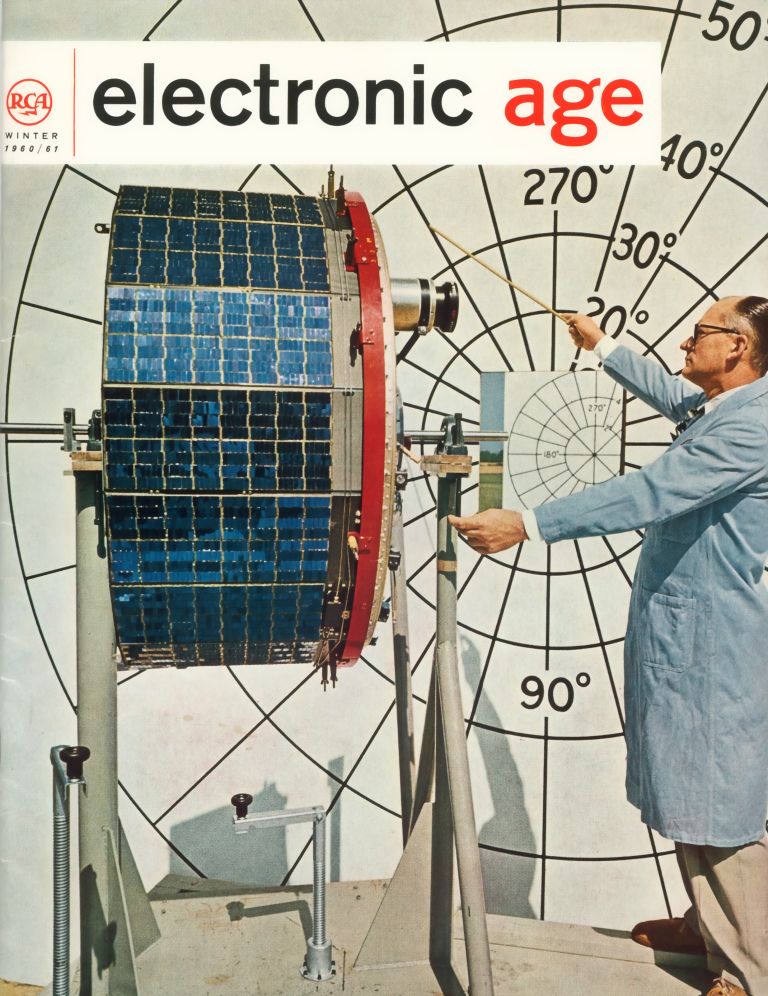
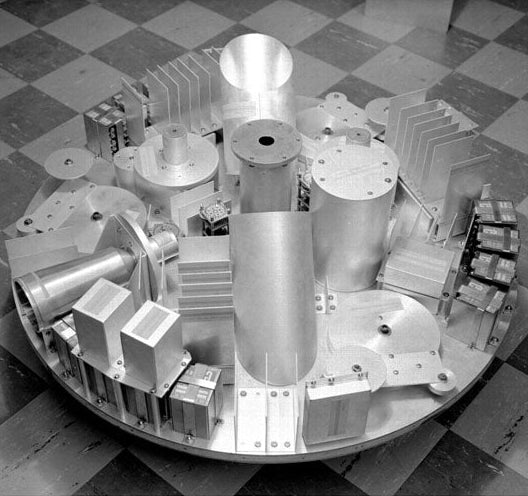
RCA Launches First Satellite
RCA's first satellite, called SCORE (Signal Communications by Orbiting Relay Equipment), was successfully launched into space, becoming the world's first communications satellite.
1964
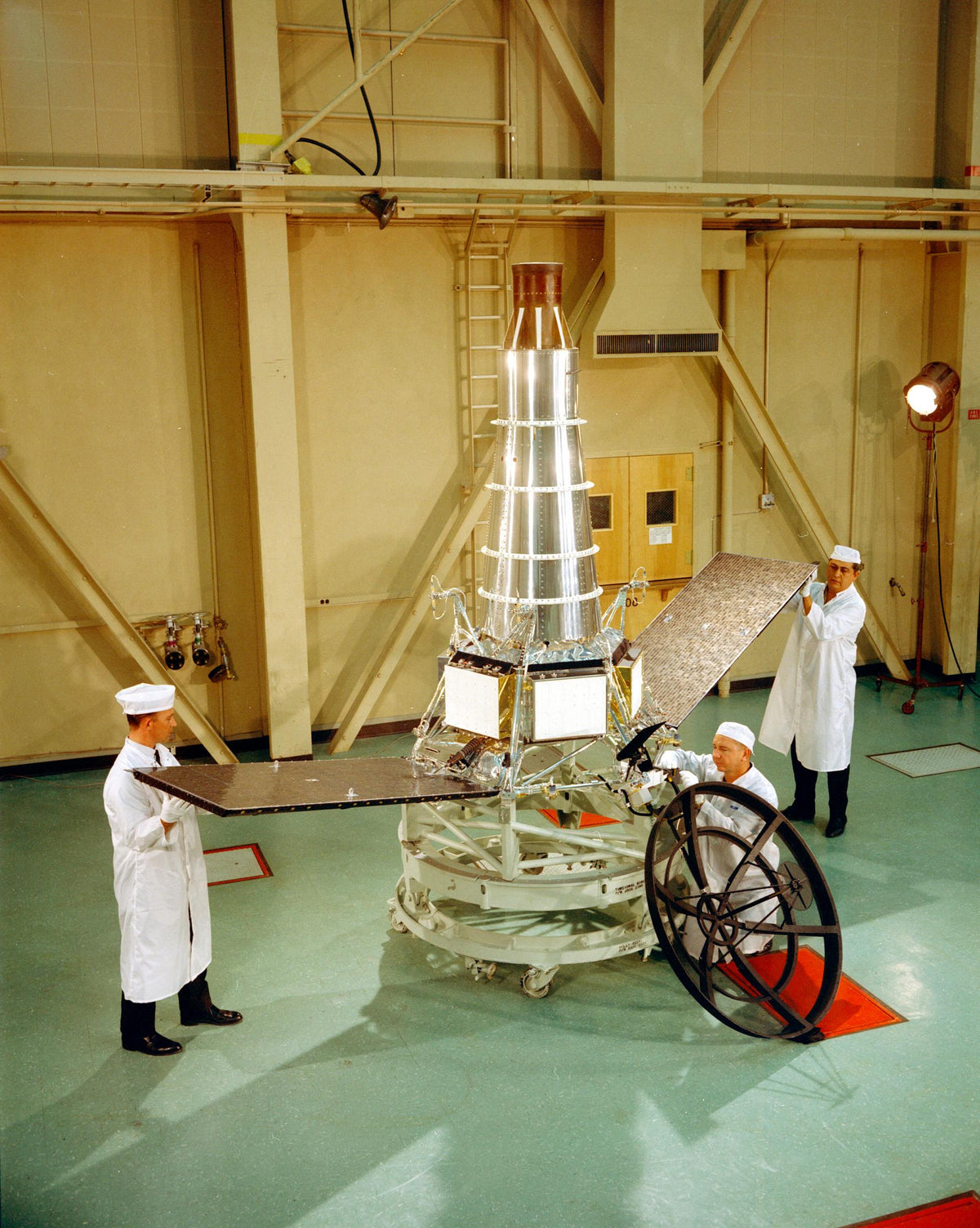
RCA and the Ranger 7 Lunar Probe
In 1964, Ranger 7 was successfully launched. RCA served as an important subcontractor on the Ranger lunar probes, developing the cameras that transmitted high-resolution photographs of the lunar surface.
1968
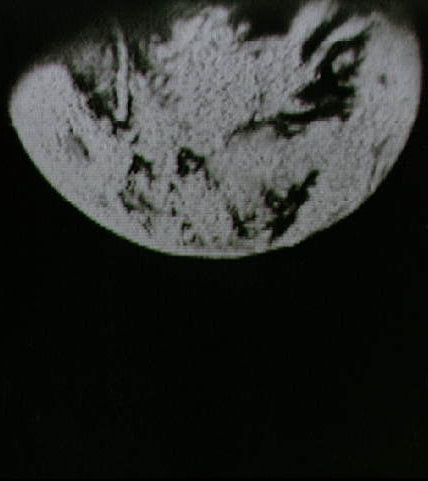
The First Monochrome RCA Camera Sent to the Moon
RCA high-resolution cameras were selected by NASA and successfully used during several missions of the Apollo lunar landing program. The RCA Vidicon monochrome SSTV (Slow-Scan Television) camera system was used on Apollo 7 in October 1968 and Apollo 8 in December 1968.
1971-72
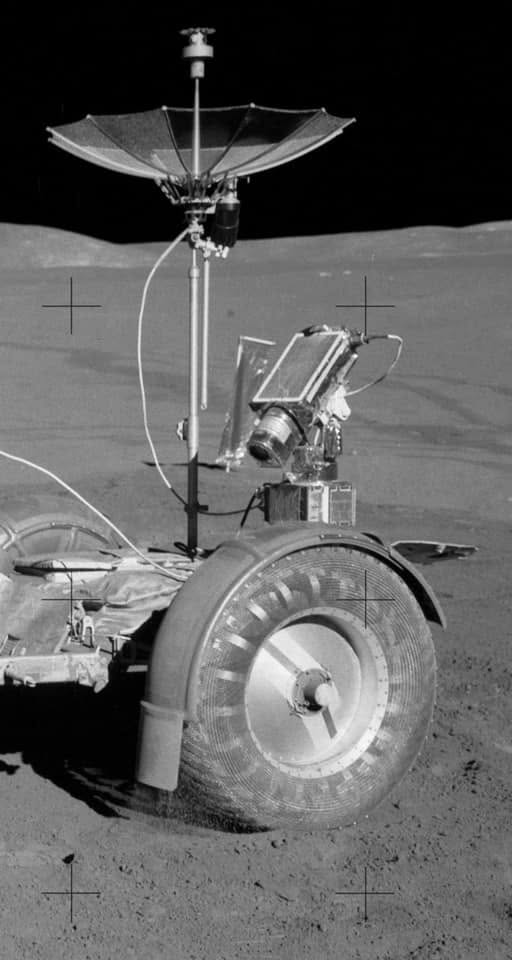
First RCA Color Television Camera on the Moon
RCA introduced its new J-series color television camera with a field-sequential color system, designated the GCTA (Ground-Commanded Television Assembly). The camera was used on Apollo 15 from July to August 1971, Apollo 16 in April 1972, and Apollo 17 in December 1972.
1972
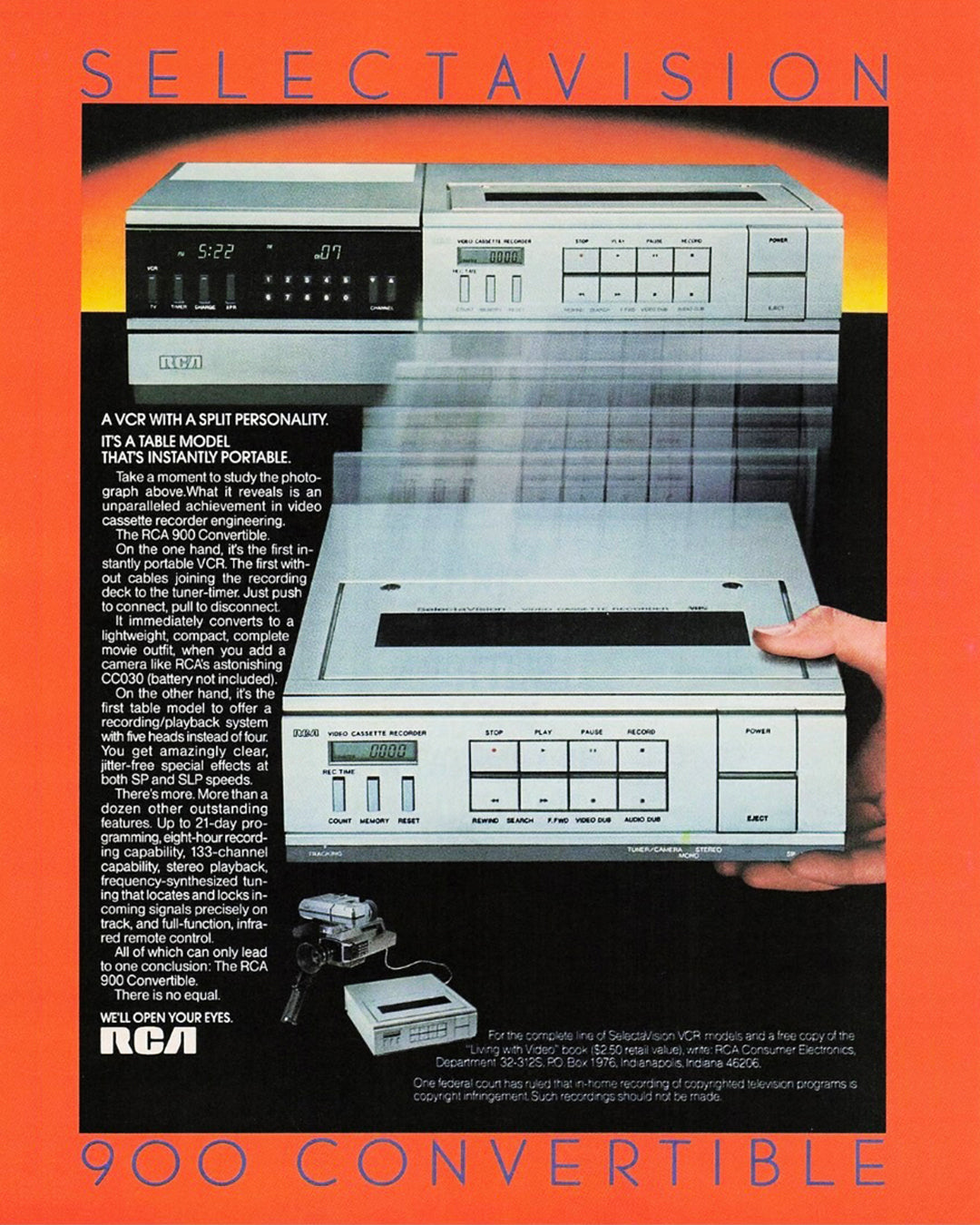
World’s First Consumer Color Video
In 1972, RCA successfully demonstrated color video recording on an RCA SelectaVision VideoDisc. In 1977, RCA introduced the VBT200, its first SelectaVision VHS videocassette recorder for the U.S. retail market. It featured a clock, a timer, two recording speeds for up to four hours of recording, an analog timer with reset, and a memory on/off switch (an impressive lineup of features for a videocassette recorder of its time)!

1981
World’s First Consumer Color Disc Video
In 1981, RCA’s long-awaited VideoDisc system, essentially a vinyl record that plays video, hit stores in the United States.
VideoDiscs offered superior picture quality and a broader selection of titles than videotapes and local cable. In 1983, RCA introduced the J-Line of CED VideoDisc players, which featured automatic, motorized loading of VideoDisc caddies.
1990
Chipper Is the New Canine Partner to Nipper
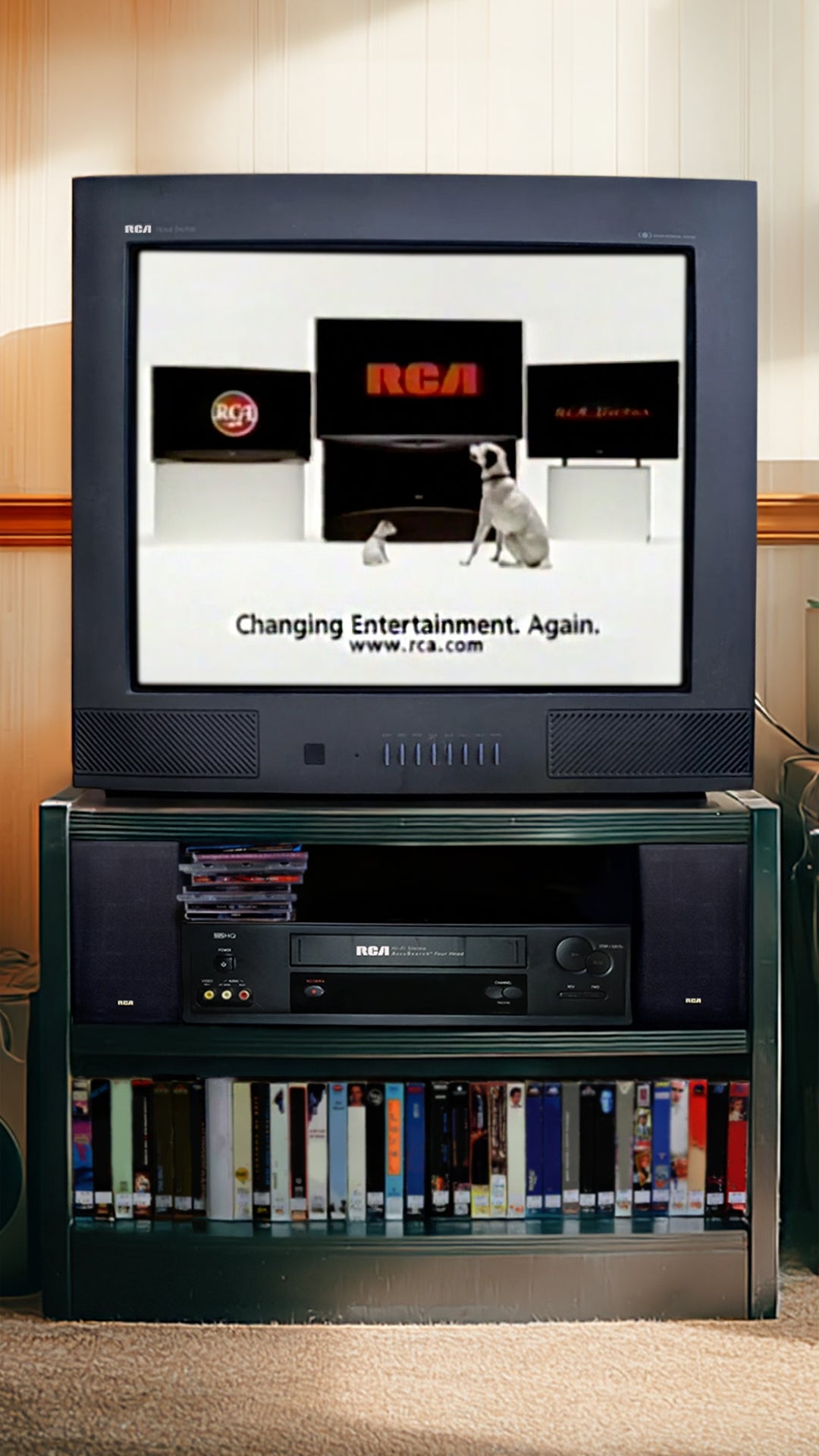
Chipper joined RCA’s iconic dog, Nipper, as a smaller canine companion representing the semiconductor-based future of digital consumer electronics. The 1990s brought two RCA innovations: widescreen TVs and home satellite TV systems.
In 1993, RCA introduced CinemaScreen, the first widescreen TV available in the U.S., featuring a rectangular picture tube with a 16:9 aspect ratio shaped like a movie screen. A year later, the RCA Digital Satellite System, with programming from DIRECTV and USSB, became the first high-power, small-dish satellite system on the market.
1996
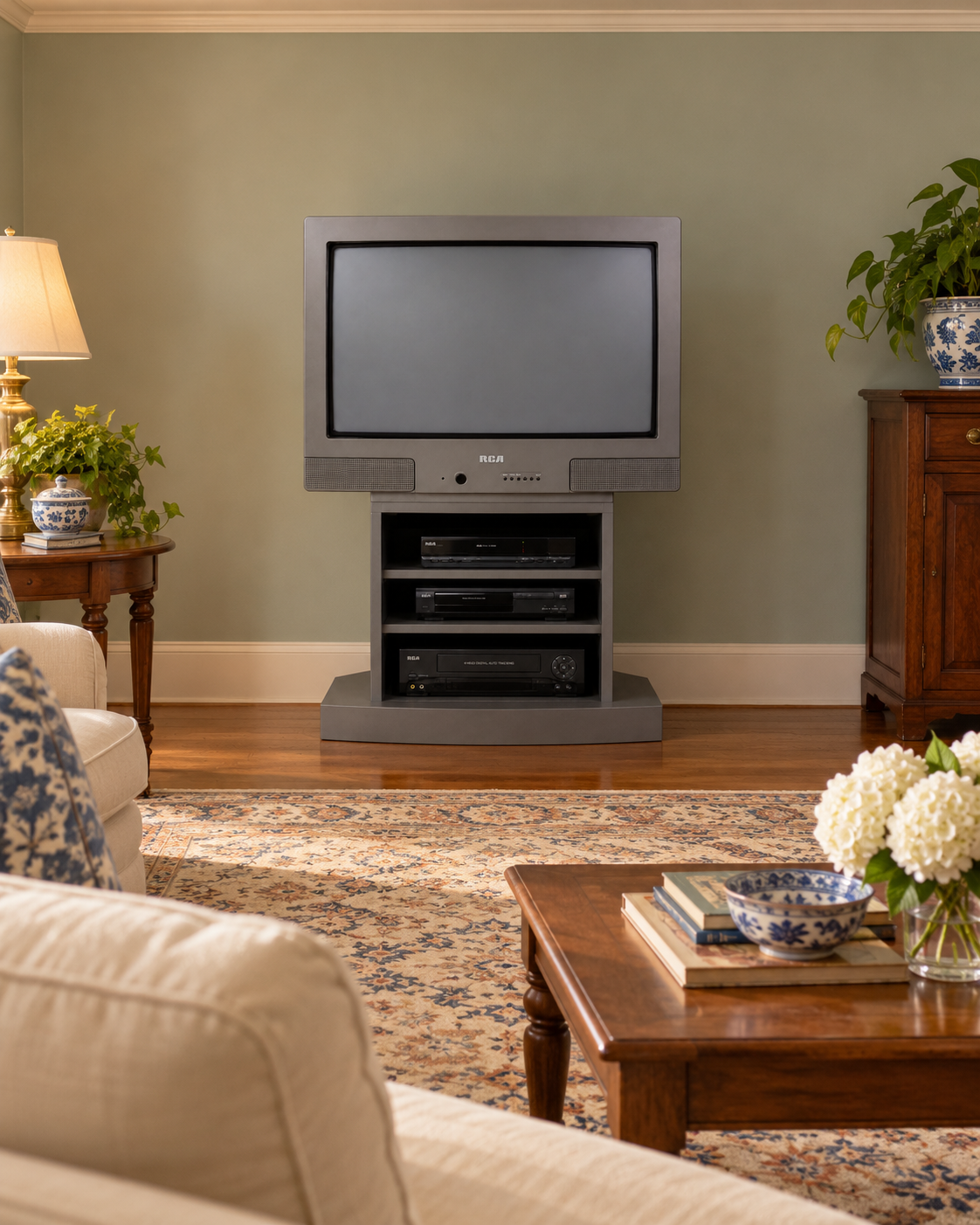
RCA Offers Consumers the First Widescreen TV With No Set-Top Receiver
Use this text to share information about your brand with your customers. Describe a product, share announcements, or welcome customers to your store.
1998
RCA Introduces HDTV Programming via Satellite
In 1998, RCA and DIRECTV demonstrated the first satellite transmission of HDTV programming at the annual Consumer Electronics Show (CES) in Las Vegas. In August, RCA introduced the DCT100 digital receiver, which allowed viewers to watch digital and analog signals on any TV set. In November 1998, digital broadcasting officially began.

2004
RCA Records
In 1986, RCA Records is fully acquired by Bertelsmann, making it part of the Bertelsmann Music Group (BMG).
In 2004, RCA Records becomes part of Sony BMG Music Entertainment through a merger. By 2008, RCA Records is fully acquired by Sony Music and becomes the second oldest record label in American history, after sister label Columbia Records.
2013
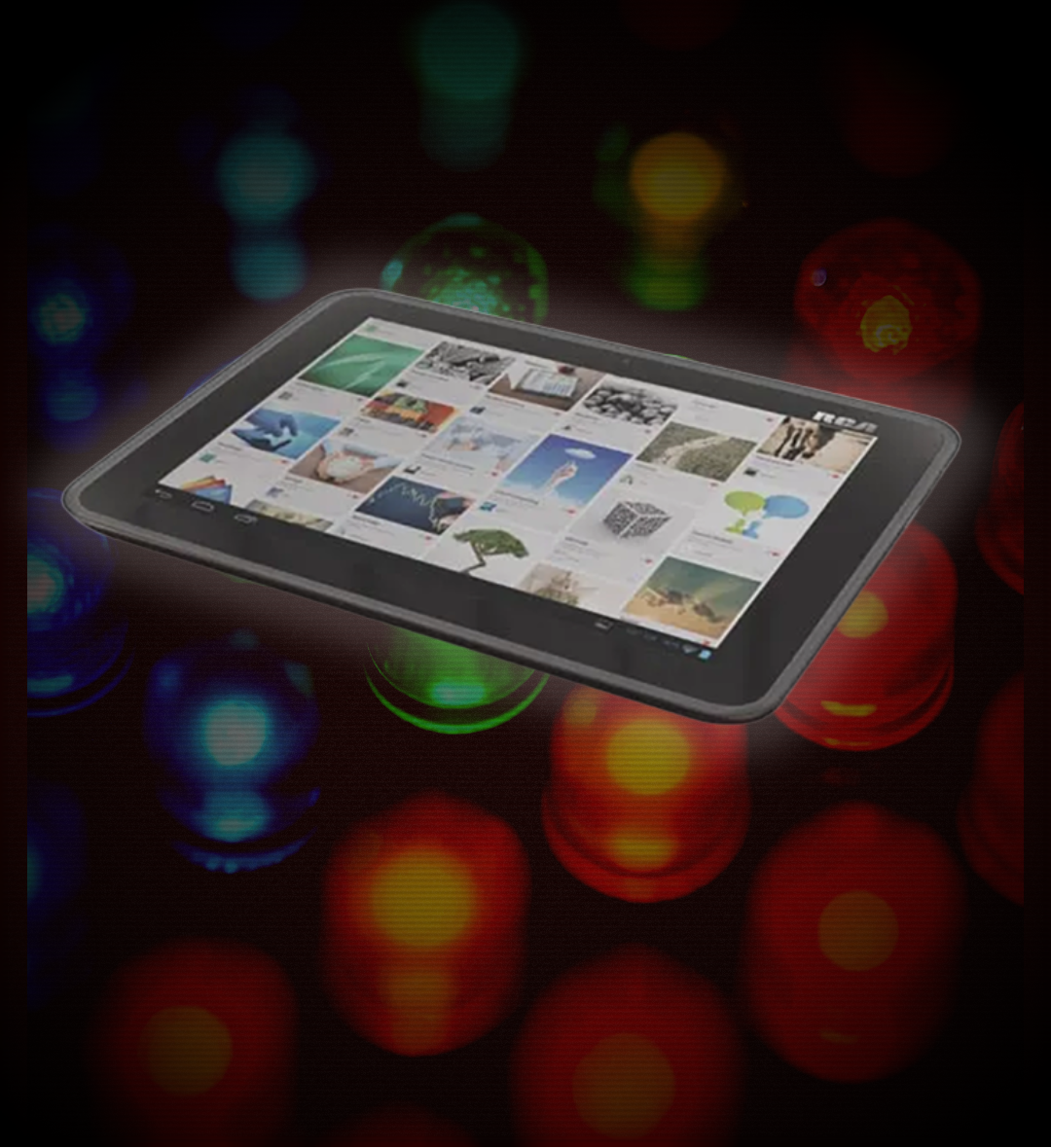
RCA Debuts Tablets and LED Lighting Products
In 2013, RCA introduced its first branded tablets in the U.S. and LED lighting products in the U.S. and Canada. The RCA Mobile TV Tablet combined TV viewing and handheld computing, offering the electronics industry’s first dual-tuner mobile TV. It became the first tablet device to feature an integrated mobile TV tuner, giving viewers on-the-go access to 130 mobile TV stations.

2014
RCA Introduces HD LED TVs and Smartphones
In 2014, RCA introduced Android smartphones and Full HD LED Smart TVs. The TV lineup included 12 new “Roku-ready” HDTVs, each featuring a pre-installed Roku Streaming Stick. With screen sizes ranging from 28 to 65 inches, the new models offered convenient access to the Roku Channel Store and more than 1,700 apps.
2019
RCA: 100 Years of Magic
On October 17, 2019, we celebrated 100 years of RCA. At that milestone, the RCA brand symbolized American ingenuity worldwide. Its iconic name appeared on flat-panel and 4K televisions, tablets, smartphones, home appliances, and many other extraordinary products. From our biggest public moments to the smaller, more personal ones, RCA had been part of our lives for a century. The brand remained in tune with inspiration and innovation, looking ahead to meet the needs of future generations.
2021
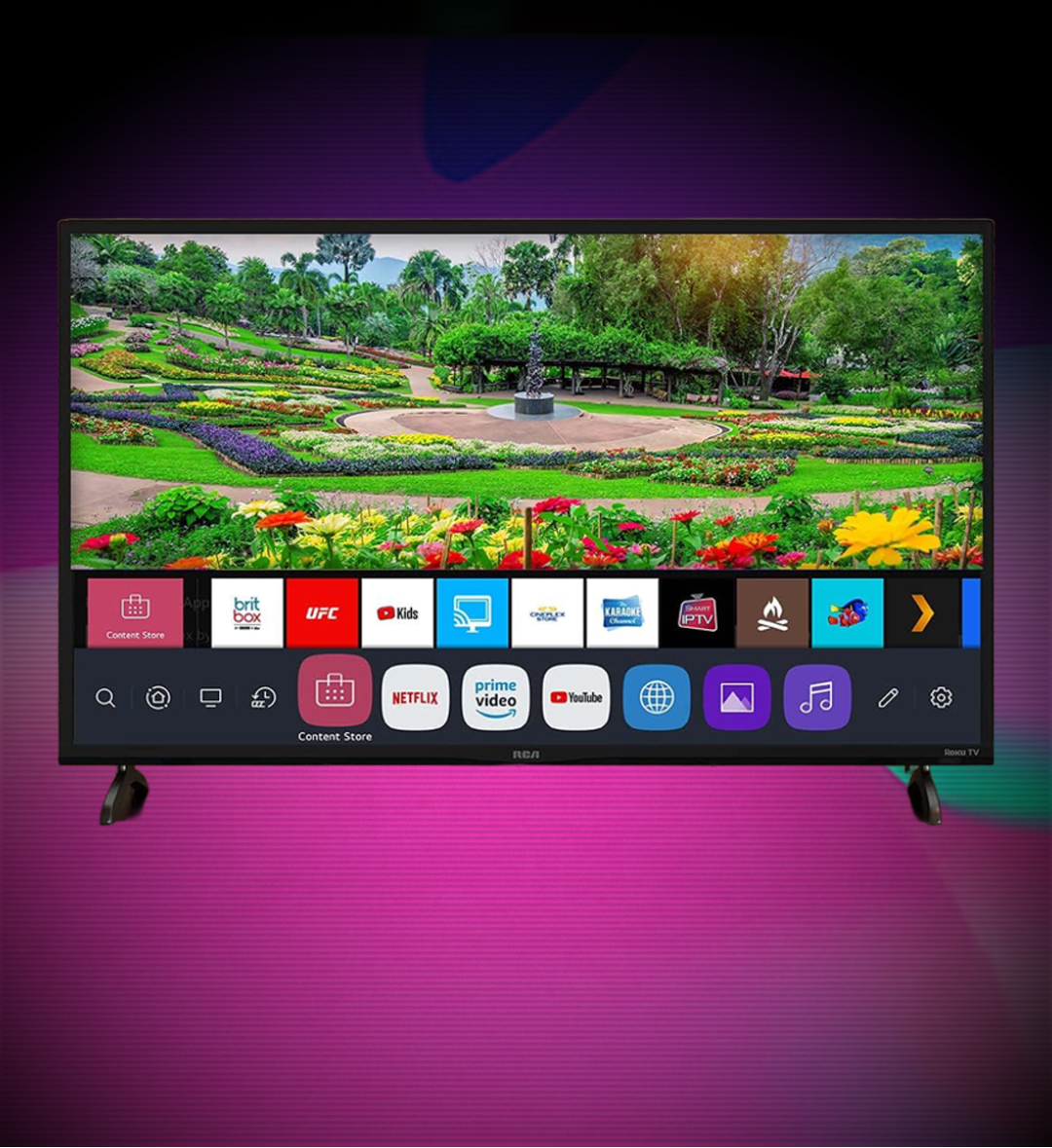
RCA TVs Integrate WebOS Smart Platform
In 2021, RCA brought greater streaming convenience to its smart TVs with the webOS platform. With access to apps like Apple TV, Netflix, Hulu, Sling, and Prime Video, viewers could easily find shows, and explore personalized content recommendations.
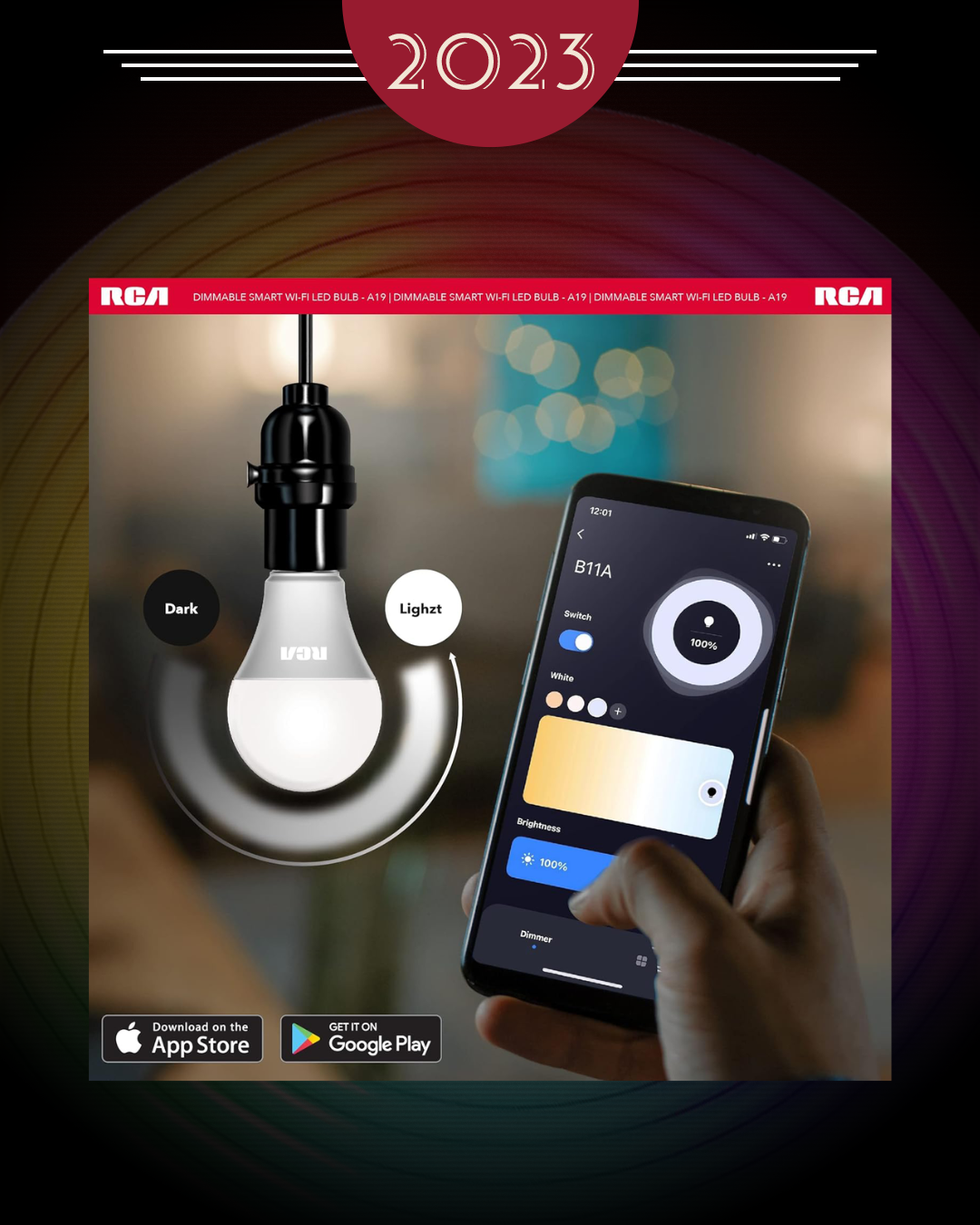
2023
RCA Launches Its First Home Automation System
Use this text to share information about your brand with your customers. Describe a product, share announcements, or welcome customers to your store.
2026
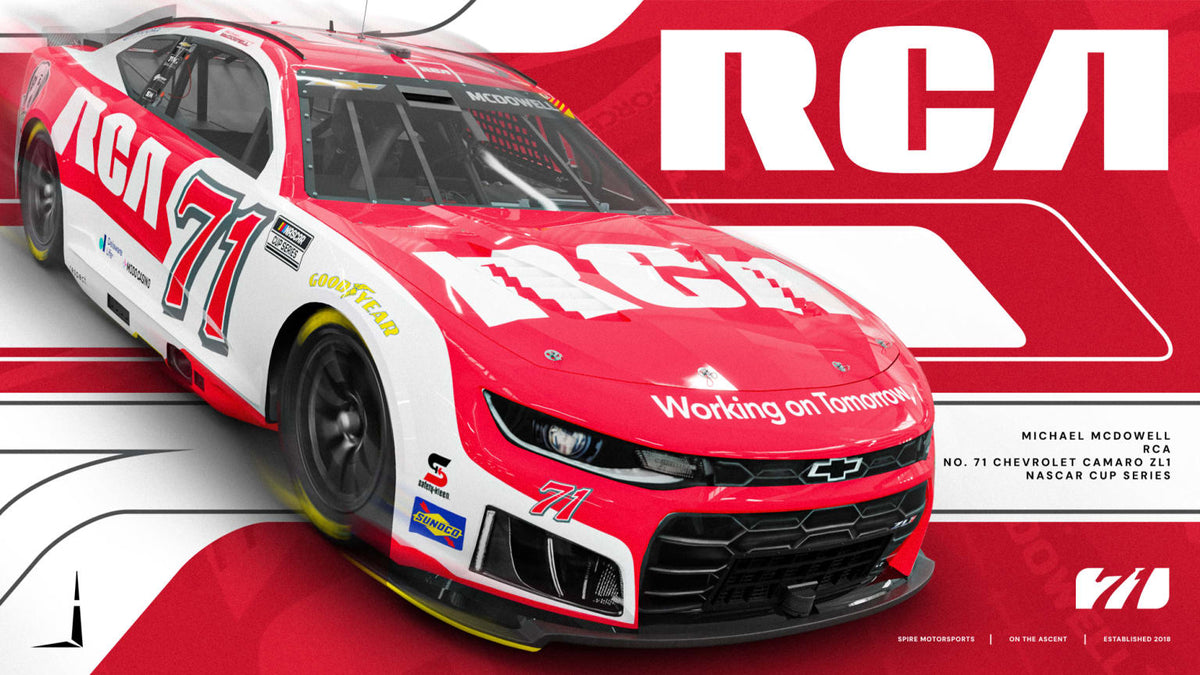
RCA Returns to NASCAR
RCA announced its return to the NASCAR Cup Series through a three-race partnership with Michael McDowell and Spire Motorsports, bringing the brand to the No. 71 Chevrolet. The partnership continued a racing legacy that included sponsorship of Cale Yarborough Motorsports in the 1990s, when Jeremy Mayfield and John Andretti drove RCA-sponsored cars. Andretti took RCA to Victory Lane with his win at the 1997 Pepsi 400.
2026
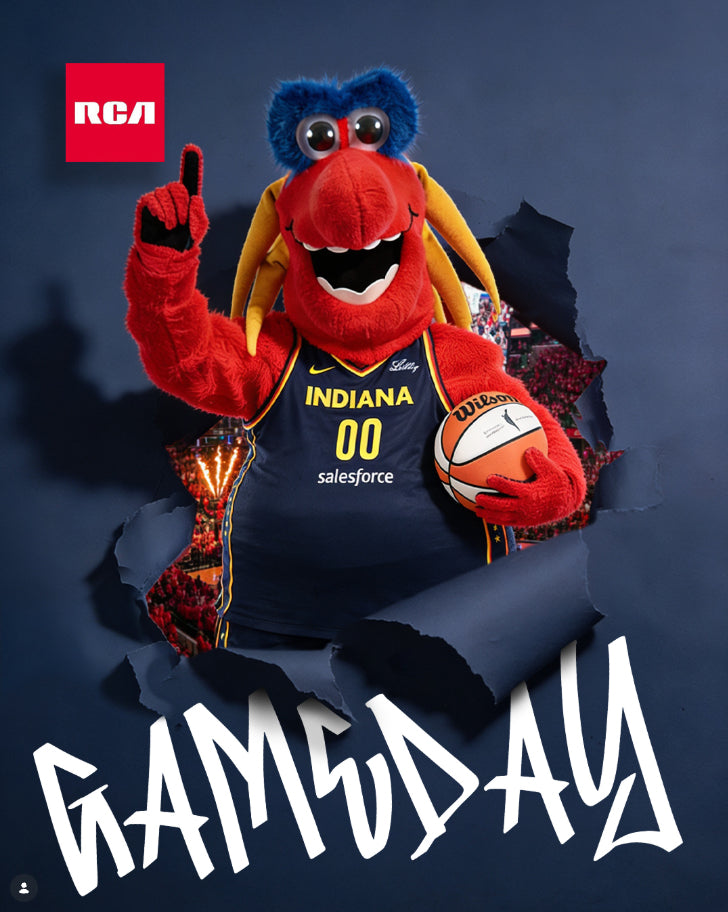
RCA Returns to Indiana
RCA partnered with the Indiana Fever, marking its first WNBA partnership and first investment in women’s professional sports. The partnership renewed RCA’s longstanding connection to The Hoosier State, where our history includes manufacturing, motorsports, and the iconic RCA Dome.
RCA
100 YEARS OF INNOVATION

From
The Past

To
The Future
Nipper & Chipper
In 1899, Francis Barraud painted his brother’s dog, Nipper, listening intently to a wind-up Edison-Bell cylinder phonograph. Berliner Gramophone Company registered the image as a trademark in the United States on July 10, 1900. In 1929, the Radio Corporation of America acquired the “His Master’s Voice” trademark, and Nipper became RCA’s first canine mascot.
Over the decades, Nipper became an enduring part of RCA’s heritage and an international symbol of quality and excellence. In 1990, RCA welcomed a puppy named Chipper to the family. Together, Nipper and Chipper became the famous RCA dogs.
