
Stay Cool at a Lower Cost
The weather is hot, and you are dreading the electricity bill at the end of the month because of your air conditioning. Don't panic—we've prepared a guide to best practices to keep your home cool and save money. We explain how to identify your air conditioner type, choose the right cooling capacity, reduce your electricity bill, understand noise levels, and maintain your device for better use.
Types of Air Conditioners
Air conditioners can be stationary or mobile. Fixed devices require a way to release heat outside. Split air conditioners consist of two parts: one inside the room you want to cool and the other outside to release heat. These systems require professional installation. This type of installation makes the most sense in regions where the climate justifies regular seasonal use of air conditioning.
Split air conditioners can also be reversible. In this case, the device acts as a heat pump and provides heating in winter.
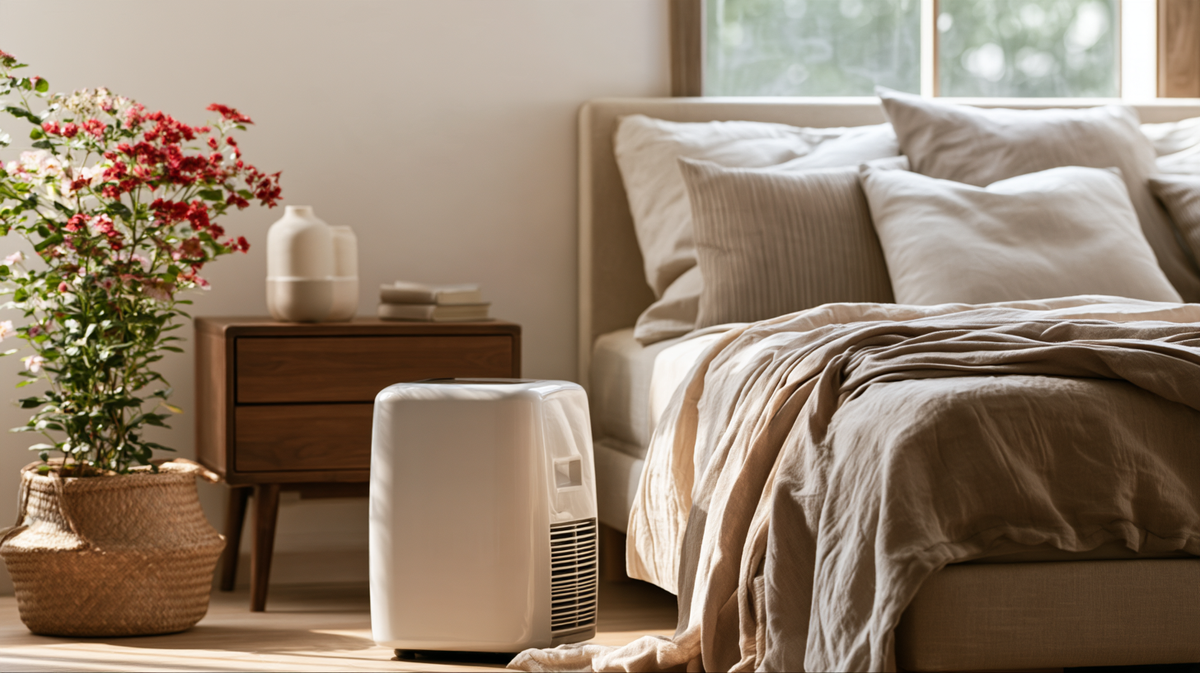
To avoid the installation requirements of a fixed air conditioning device, you can turn to a mobile device. Less expensive to buy, these mobile appliances, which you often see at the entrances to certain shops in summer, can provide cool air during occasional heat waves.
Their wheels allow you to move them to the room of your choice during the day. Although mobile, they still need to vent hot air outside. An exhaust hose directs this air through a window or a suitable door opening. An unsealed opening allows outside heat to enter, reducing efficiency and increasing your electricity bill. To limit this, use a compatible window kit that seals the opening around the exhaust hose. Depending on the window, the kit may fit into a partially open window or replace a single pane.
Which Cooling Capacity Should You Choose?
Choose your air conditioner's cooling capacity according to the size and conditions of the room you want to cool. If the device lacks sufficient capacity, it will run longer and more often. This can increase equipment wear, noise and electricity costs.
As a rough guide, a room with a ceiling height of 2.5 meters may need around 1 kW of cooling capacity per 10 m². Mobile devices commonly offer cooling capacities of 2,000 to 3,500 watts. Check the manufacturer's room-size guidance, since sunlight, insulation and ceiling height also affect your cooling needs. Cooling capacity differs from the electrical power the device consumes.
Save Money
Energy labels help you compare air conditioners according to their energy efficiency. Rating scales differ by market and appliance type, so choose an efficient model using the label that applies in your region.
If your device offers an eco mode or night mode, use it when appropriate. When you leave for an extended period, adjust the temperature setting or switch off the device if you do not need cooling. For heat pumps and inverter air conditioners, follow the manufacturer's operating guidance.
Noise
Air conditioners generate noise through their fans and compressors, so take their noise levels into account. Manufacturers express these levels in decibels (dB) and may include them on the energy label. Lower figures generally indicate quieter operation, but compare equivalent measurements: sound power and sound pressure levels are different.
Also check for a night mode, which can reduce fan speed and noise if you leave the device running overnight.
Usage Tips
Install mobile devices near the door or window you use to exhaust hot air. Follow the manufacturer's instructions for exhaust hose length, and avoid extending the hose beyond the recommended limit.
Since temperature perception differs from person to person, you may not need to lower the setting much to feel comfortable. Choose a comfortable temperature and avoid cooling the room more than necessary.
Keep indoor humidity around 40% to 60%, while watching for condensation or dampness. Avoid adding humidity unnecessarily, since air conditioners also remove moisture from the air.
Maintenance
Regularly inspect, clean or replace the filters according to the manufacturer's instructions. When you restart the appliance after a long period without use, check whether the manufacturer recommends running the fan without cooling to dry out moisture. Follow the manufacturer's instructions for draining, drying and storing the device at the end of the season.



Share: